
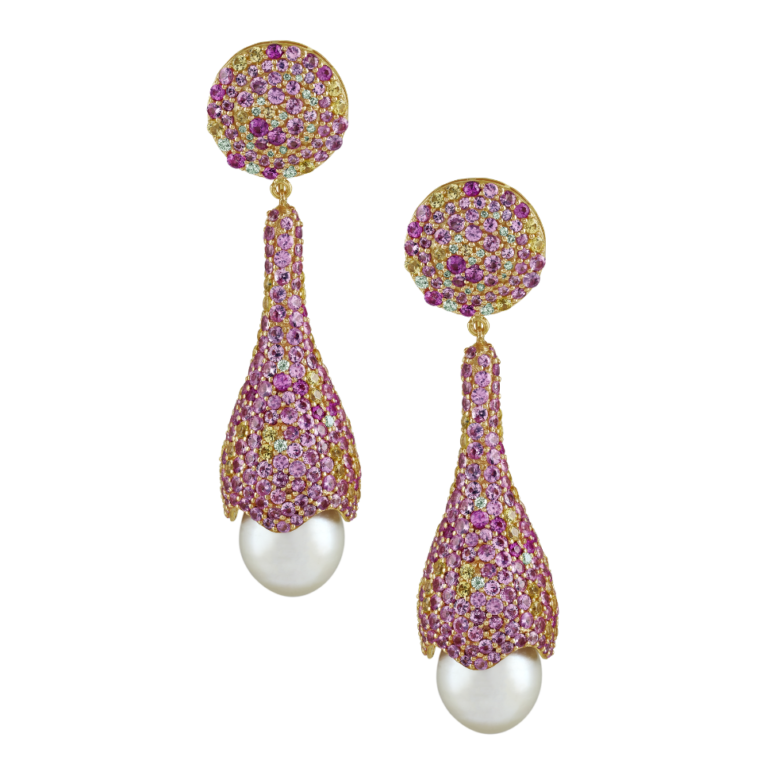
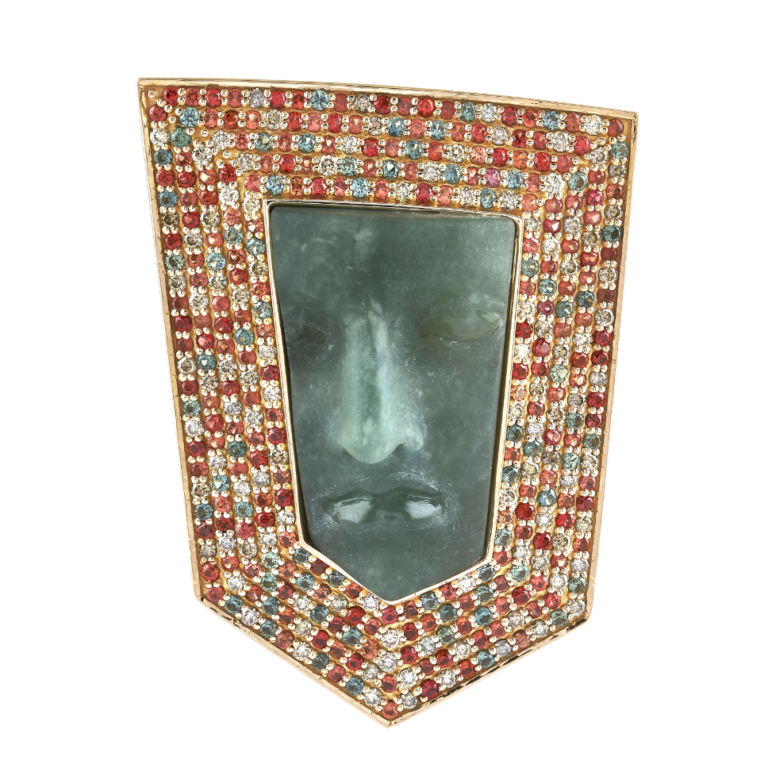
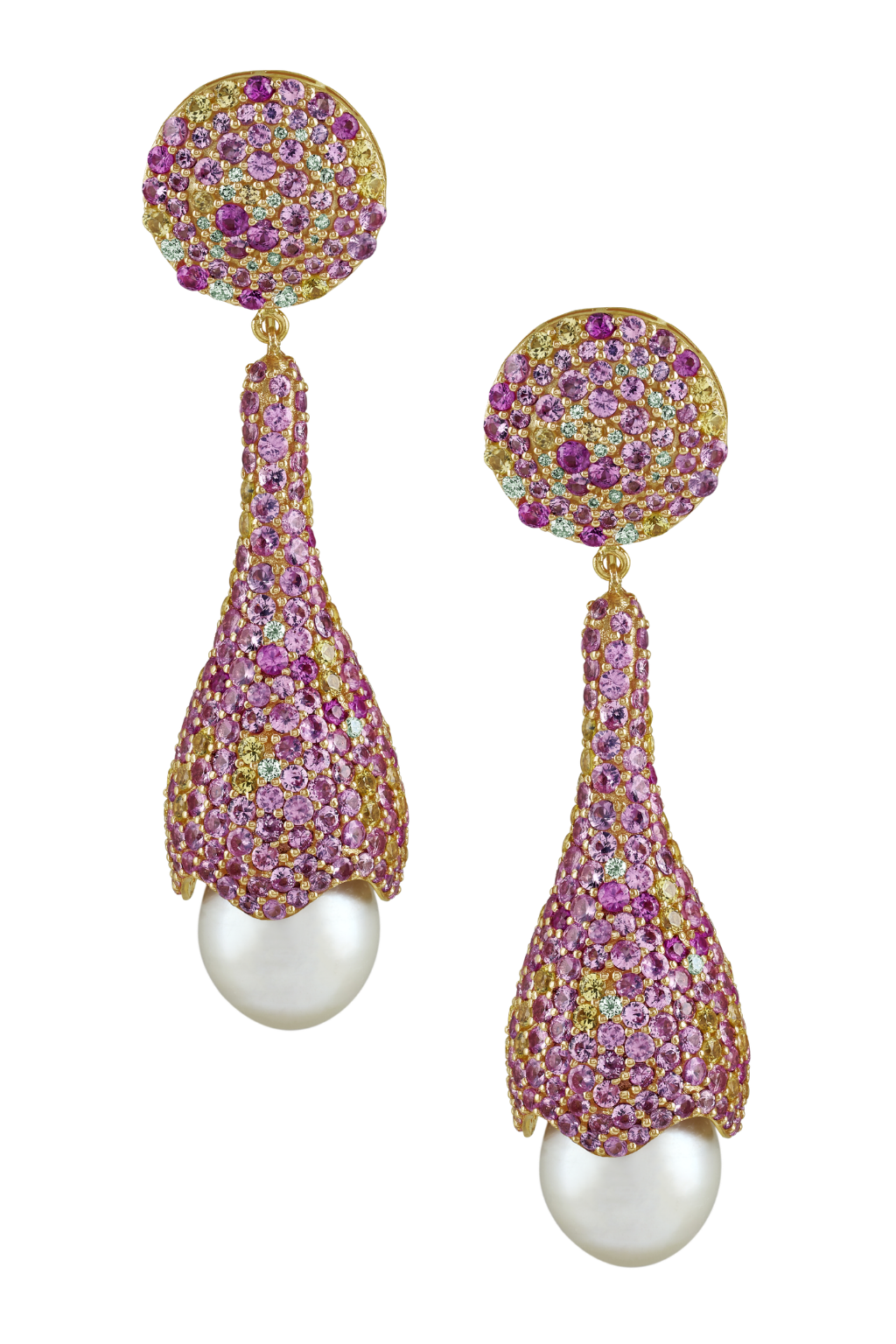
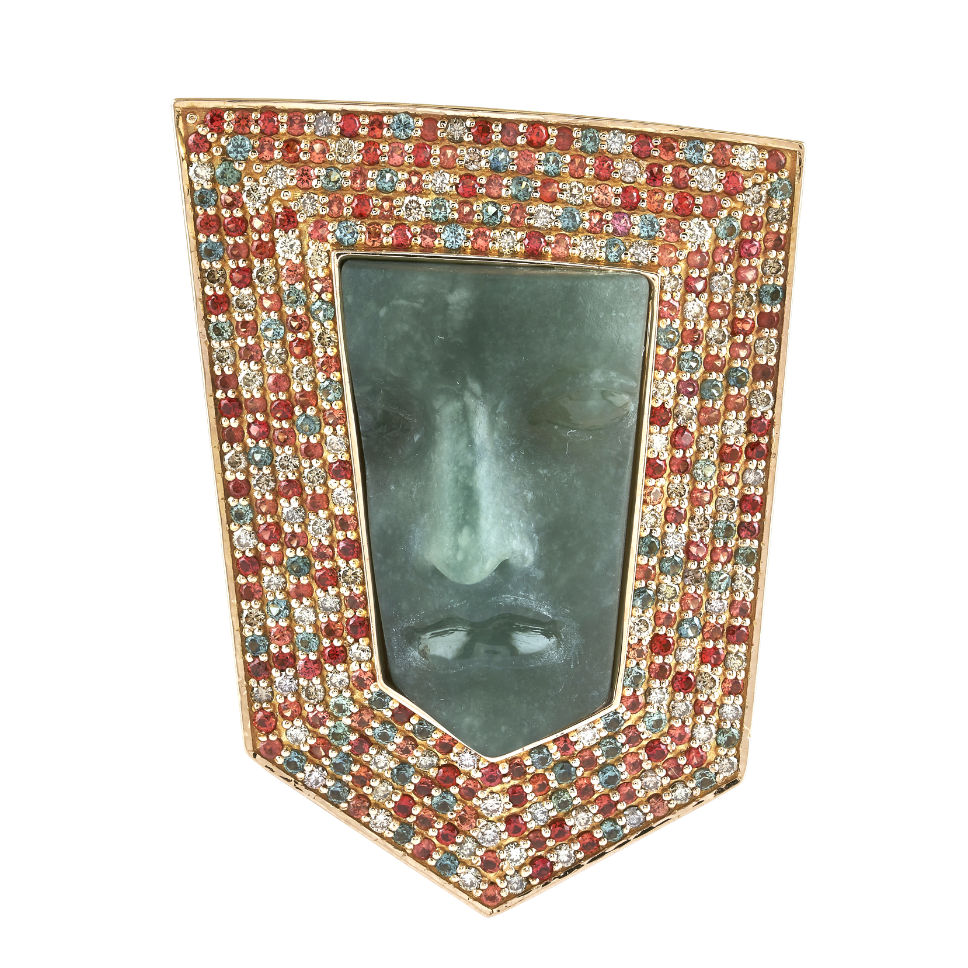
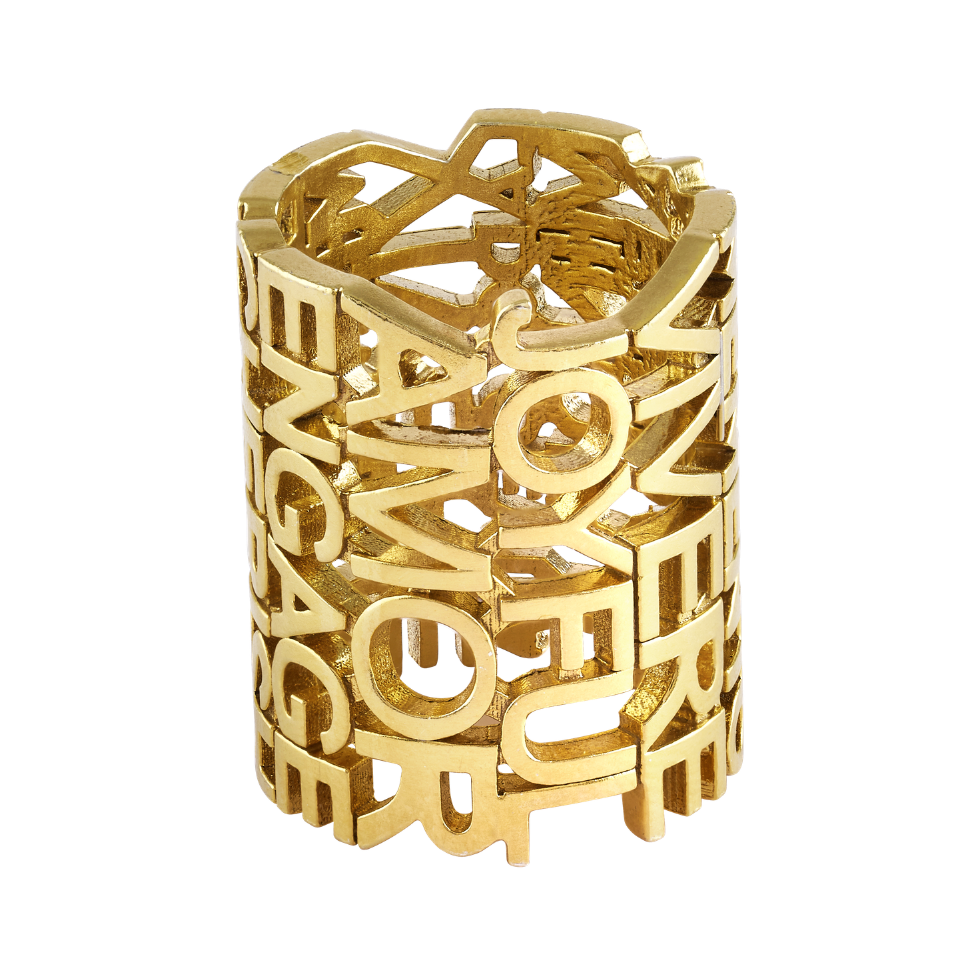
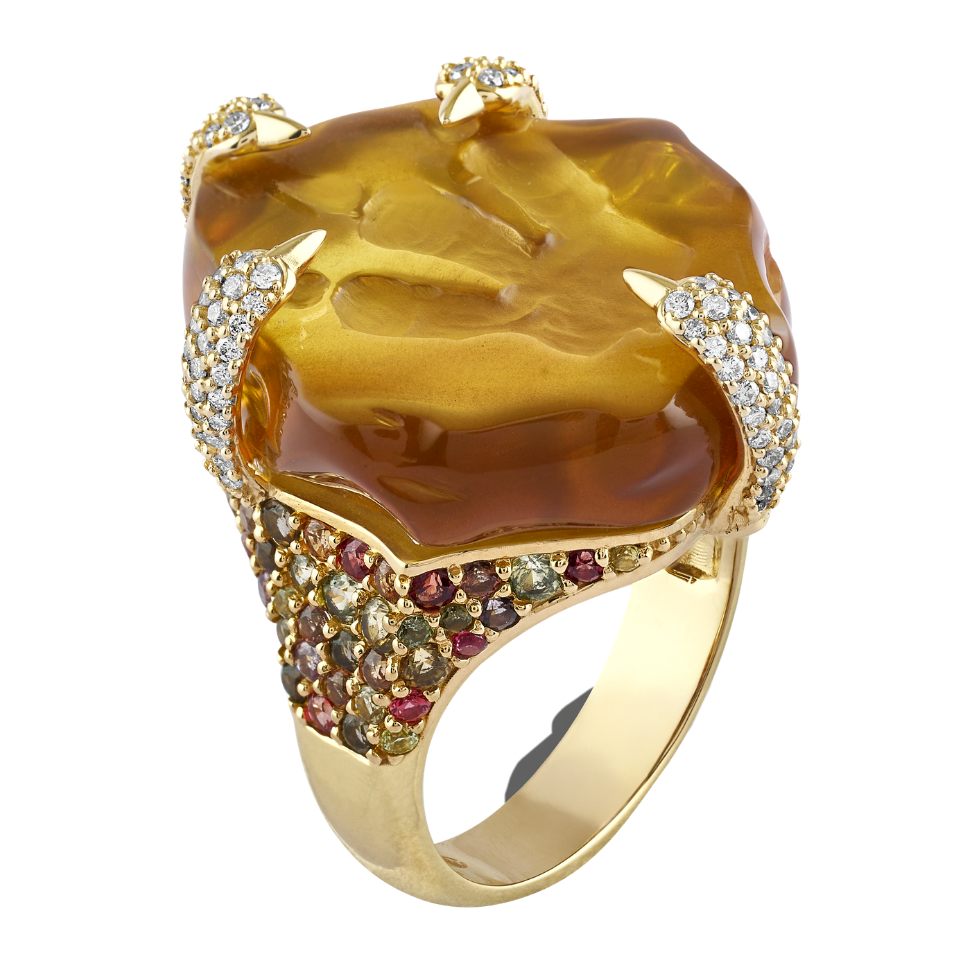
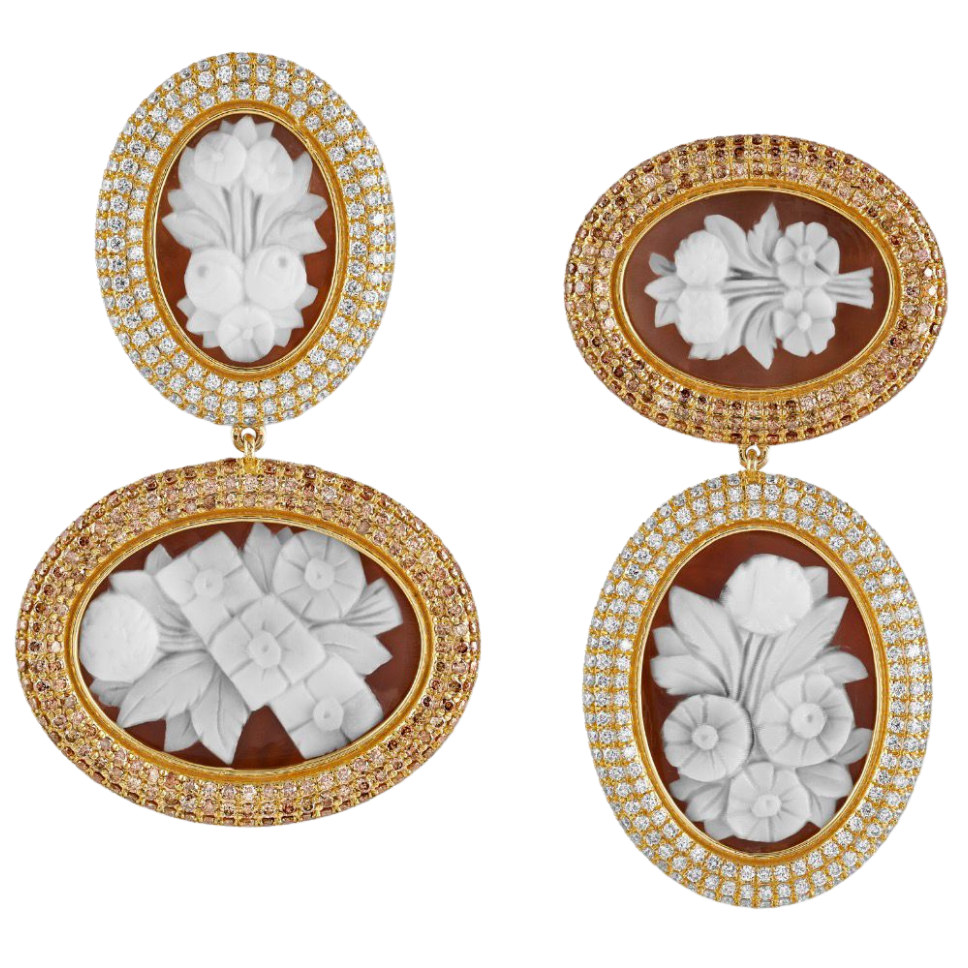
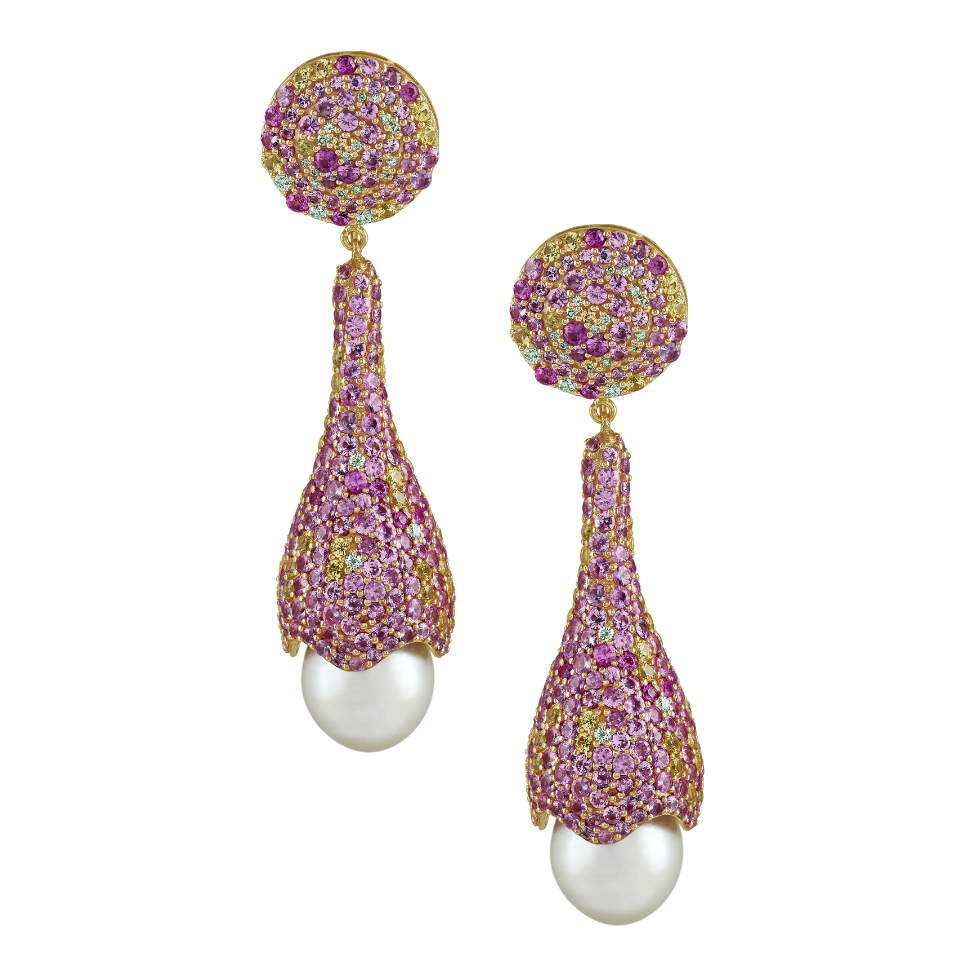


Mementa was conceived with a clear intention: to create works that exist as philosophical sculptures—where artistry, symbolism, and technical mastery converge into a singular language of form. The house enters the historical dialogue surrounding the meaning of objects worn, yet reorients it.
Our philosophy is rooted in memento vivere—remember to live—in deliberate contrast to memento mori. Emerging most prominently in Renaissance Europe during the 16th and 17th centuries, memento mori jewels bore skulls, coffins, and vanitas inscriptions: intimate meditations on mortality rendered in gold and enamel. Rooted in Stoic philosophy and shaped by Christian devotion, they urged humility and reflection in a fragile world.
Mementa does not reject this lineage; it transforms it. Where memento mori asked us to remember death, Mementa is anchored in remembering to live. It is not a denial of mortality, but a refinement of its lesson. Where Renaissance jewels contemplated transience, ours celebrate presence. Each work is conceived to evoke luminosity, vitality, and meaning—wearable manifestations of joy, spirituality, and affirmation. To wear them is not merely adornment, but intention: a quiet invocation of abundance, beauty, and a life fully lived. Symbolism remains intrinsic to the house. Drawing from Hindu philosophy and esoteric traditions of metals and gemstones, materials are chosen not only for rarity, but resonance. Gold embodies solar energy and illumination. Pearls evoke the tranquillity of the moon. Diamonds refract the clarity, love, and abundance associated with Venus.
At Mementa, jewellery becomes more than ornament. It becomes philosophy made tangible—memento vivere, articulated through precious metals, gemstones, and natural forms.
Mementa was conceived with a clear intention: to create works that exist as philosophical sculptures—where artistry, symbolism, and technical mastery converge into a singular language of form.The house enters the historical dialogue surrounding the meaning of objects worn, yet reorients it.
Our philosophy is rooted in memento vivere—remember to live—in deliberate contrast to memento mori. Emerging most prominently in Renaissance Europe during the 16th and 17th centuries, memento mori jewels bore skulls, coffins, and vanitas inscriptions: intimate meditations on mortality rendered in gold and enamel. Rooted in Stoic philosophy and shaped by Christian devotion, they urged humility and reflection in a fragile world.
Mementa does not reject this lineage; it transforms it.Where memento mori asked us to remember death, Mementa is anchored in remembering to live. It is not a denial of mortality, but a refinement of its lesson. Where Renaissance jewels contemplated transience, ours celebrate presence.Each work is conceived to evoke luminosity, vitality, and meaning—wearable manifestations of joy, spirituality, and affirmation. To wear them is not merely adornment, but intention: a quiet invocation of abundance, beauty, and a life fully lived.Symbolism remains intrinsic to the house. Drawing from Hindu philosophy and esoteric traditions of metals and gemstones, materials are chosen not only for rarity, but resonance. Gold embodies solar energy and illumination. Pearls evoke the tranquillity of the moon. Diamonds refract the clarity, love, and abundance associated with Venus.
At Mementa, jewellery becomes more than ornament. It becomes philosophy made tangible—memento vivere, articulated through precious metals, gemstones, and natural forms.
Only mementa craftsmanship


Ornare auctor
$429.00
Eames plastic side chair
$99.00JEWELRY DESIGN BLOG
There are many variations of passages of lorem ipsum available.
Exploring Atlanta’s modern homes
-
Posted by
anands9@gmail.com
- 0 comments
Green interior design inspiration
-
Posted by
anands9@gmail.com
- 0 comments
Collar brings back coffee brewing ritual
-
Posted by
anands9@gmail.com
- 0 comments
When it’s about controlling hundreds of articles, product pages for web shops, or user profiles in social networks, all